The Real Cost of Ignoring Small Plumbing Problems
It starts small.
A dripping tap. A slow drain. A toilet that runs a bit longer than usual. Nothing urgent. Nothing serious… right?
That’s what most homeowners think. But here’s the reality:
small plumbing problems rarely stay small.
And the longer they’re ignored, the more expensive they become.
Let’s break down what these “minor issues” are really costing you, and why acting early makes all the difference.
Why Small Problems Get Overlooked
It’s easy to ignore something that doesn’t feel urgent.
You might think:
- “It’s just a drip.”
- “I’ll deal with it later.”
- “It’s not causing any damage.”
But plumbing issues don’t fix themselves.
They build up quietly until they turn into something bigger.
The Hidden Costs You’re Probably Not Seeing
1. Higher Water Bills (Every Single Month)
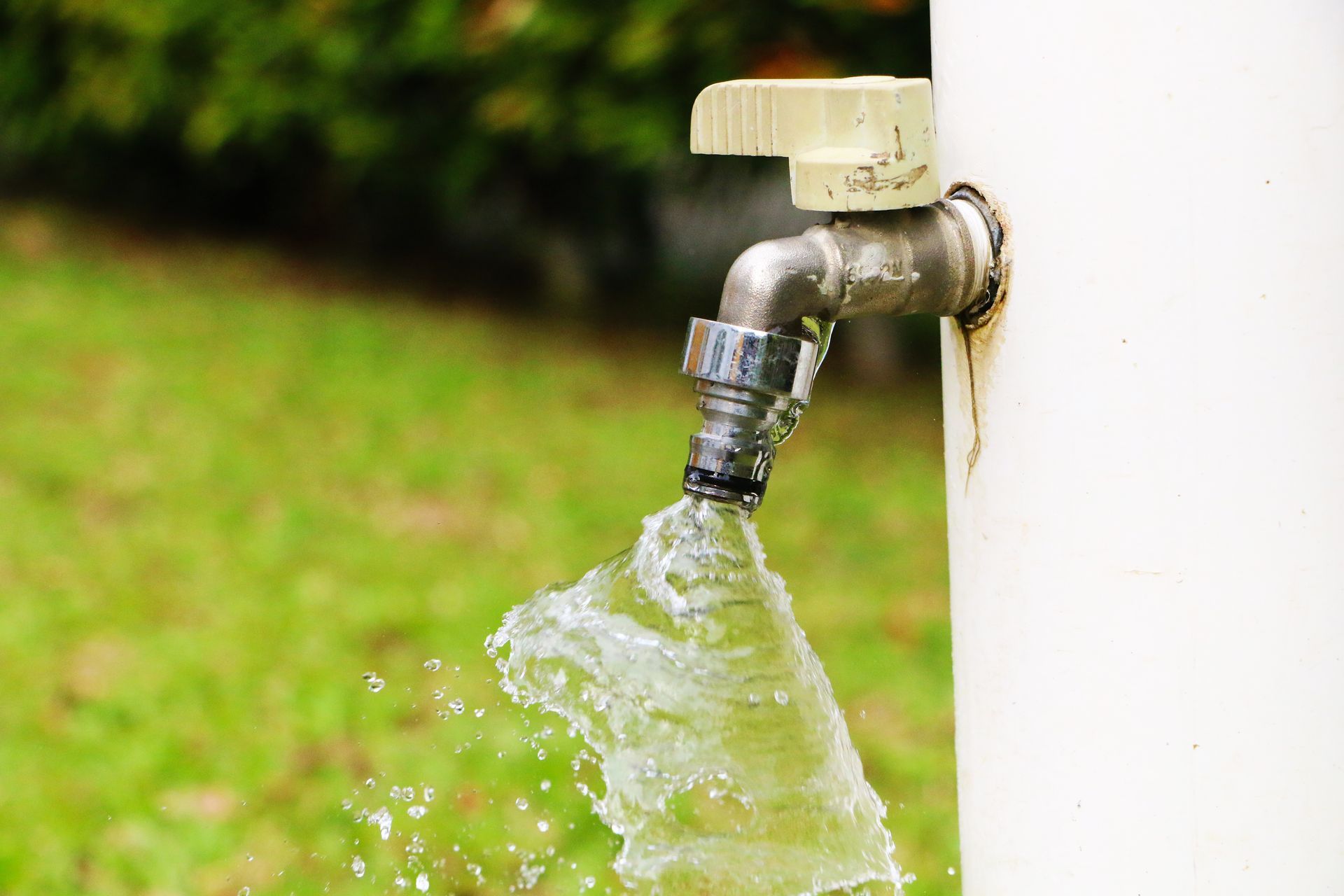
A dripping tap or running toilet might not seem like much.
But over time, it adds up.
- A dripping tap can waste thousands of litres a year
- A running toilet can significantly increase your bill
You’re literally paying for water you’re not using.
2. Bigger Repairs Down the Line
That small leak under your sink?
Left alone, it can:
- Damage cabinetry
- Weaken pipe connections
- Turn into a full pipe failure
What could’ve been a quick fix becomes a much bigger (and more expensive) repair.
3. Structural Damage to Your Home
Water has a way of spreading.
Even a small, hidden leak can lead to:
- Warped floors
- Damaged walls
- Ceiling stains
- Foundation issues (in severe cases)
And these repairs go far beyond plumbing costs.
4. Mould and Health Risks
Moisture creates the perfect environment for mould.
And once it starts, it spreads quickly.
This can lead to:
- Respiratory issues
- Allergies
- Unpleasant living conditions
It’s not just about your home, it’s about your health.
5. Emergency Plumbing Costs
Small problems often turn into urgent ones at the worst possible time.
- Pipes burst
- Drains completely block
- Water overflows
Emergency callouts are almost always more expensive than early fixes.
Example: Small Issue vs Big Consequence
Before:
A homeowner notices a slow leak under the sink but ignores it.
After:
Weeks later, the cabinet is damaged, mould has formed, and the pipe needs replacing.
Another scenario:
Before:
A slow-draining shower is left untreated.
After:
A full blockage forms, causing water backup and requiring professional clearing.
Same pattern every time:
Ignore → worsen → pay more
Step-by-Step: What to Do When You Notice a Problem
If you spot a plumbing issue, here’s what to do:
Step 1: Don’t Ignore It
Even if it seems minor, take it seriously.
Step 2: Identify the Source
Check:
- Taps
- Pipes under sinks
- Toilets
- Appliances
Step 3: Do a Quick Assessment
Ask yourself:
- Is it getting worse?
- Is water leaking or pooling?
Step 4: Take Action Early
- Try simple fixes (if safe)
- Or call a professional before it escalates
Acting early is always cheaper than reacting late.
Quick Tips You Can Apply Immediately
Want to avoid bigger problems?
Start with these:
- Fix dripping taps as soon as you notice them
- Don’t ignore slow drains
- Check under sinks regularly
- Listen for unusual water sounds
- Keep an eye on your water bill
Small habits = big savings.
Why Prevention Always Wins
Think of plumbing like maintenance, not just repair.
Regular checks can:
- Catch problems early
- Extend the life of your system
- Save you money in the long run
It’s not about spending more; it’s about avoiding higher costs later.
When It’s Time to Call a Plumber
You should call a professional if:
- The issue keeps coming back
- You notice water damage
- There’s a hidden leak you can’t find
- The problem is getting worse
A licensed plumber can fix the issue properly — before it turns into something bigger.
Small plumbing problems are easy to ignore. But they’re rarely harmless. What seems minor today can quickly become:
- Expensive
- Stressful
- Disruptive
The smarter move?
Deal with it early.
Frequently Ask Question
1. Can small plumbing problems really become serious?
Yes. Minor issues like leaks or blockages can lead to major damage if left untreated.
2. How much can a small leak cost over time?
Even small leaks can waste thousands of litres of water and significantly increase your bills.
3. Why shouldn’t I ignore a dripping tap?
Because it wastes water, increases costs, and may indicate a bigger issue.
4. When should I fix plumbing problems?
As soon as you notice them. Early action is always cheaper and easier.