Blocked Drain? What You Should Try First Before Calling a Plumber
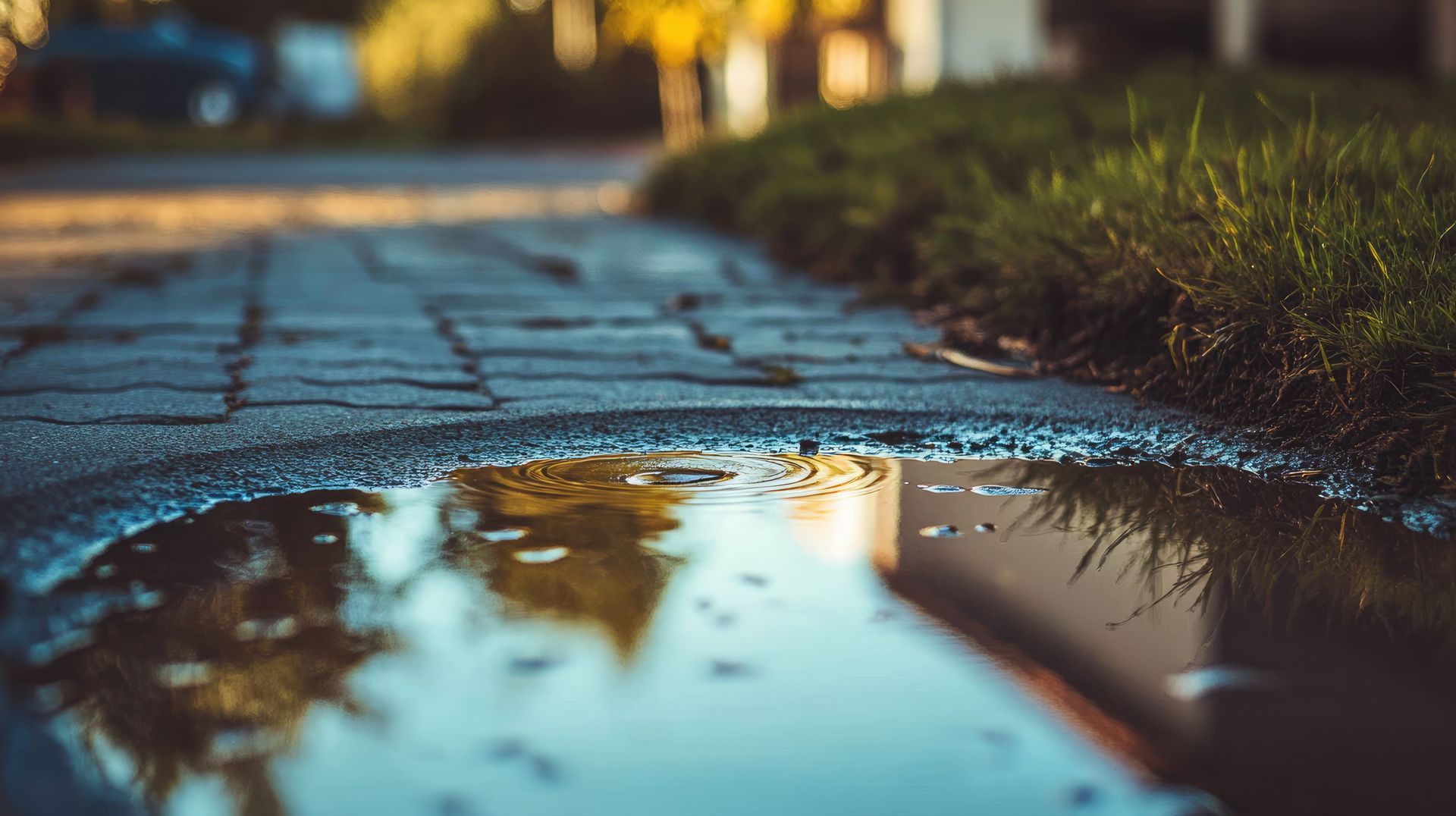
A blocked drain is one of those problems that always seems to happen at the worst time.
Water is pooling in the sink. Slow drainage. That unpleasant smell is creeping up.
Your first instinct might be to call a plumber straight away, and sometimes, that’s the right move.
But not always.
The truth is, some drain blockages can be cleared quickly and safely at home, if you know what to try (and what to avoid).
Let’s walk through it.
First: How Bad Is the Blockage?
Before doing anything, assess the situation.
Ask yourself:
- Is the water draining slowly or not at all?
- Is it affecting just one fixture or multiple areas?
- Are there any strange smells or gurgling sounds?
If multiple drains are blocked, it could be a bigger issue (like a sewer line problem).
If it’s just one, you can usually try a few fixes first.
What Causes Most Blocked Drains?
Understanding the cause helps you fix it faster.
Common culprits include:
- Hair buildup (especially in bathrooms)
- Grease and food waste (kitchen sinks)
- Soap scum and residue
- Foreign objects accidentally flushed or washed down
Most blockages don’t happen overnight; they build up over time.
Step-by-Step: What You Should Try First
Here are safe, practical steps you can take before calling a plumber.
Step 1: Use Boiling Water (For Grease Build-Up)
This is the simplest fix, and often surprisingly effective.
How to do it:
- Boil a kettle
- Slowly pour hot water down the drain in stages
- Wait a few seconds between pours
Works best for kitchen sinks where grease is the issue.
Step 2: Try a Plunger
A plunger creates pressure that can dislodge blockages.
How to do it properly:
- Cover the drain completely
- Add a bit of water to create a seal
- Push and pull several times firmly
You should feel resistance; that’s a good sign.
Step 3: Clean the Drain Manually
Sometimes, the blockage is right near the surface.
What to do:
- Remove the drain cover
- Use gloves or a drain tool to pull out debris (hair, food, etc.)
It’s not glamorous, but it works.
Step 4: Use a Natural Cleaning Solution
Skip the harsh chemicals.
Instead, try:
- Baking soda + vinegar
- Let it sit for 10–15 minutes
- Flush with hot water
This helps break down buildup safely.
What NOT to Do
This is where many homeowners make things worse.
Using Chemical Cleaners Too Often
They can corrode your pipes over time.
Ignoring the Problem
A slow drain today can become a full blockage tomorrow.
Forcing Objects Down the Drain
Trying to push the blockage deeper usually backfires.
Example: Quick Fix vs Bigger Problem
Good Scenario:
A homeowner clears a hair blockage early using a drain tool. Problem solved in minutes.
Bad Scenario:
Another ignores a slow drain for weeks. Grease and debris build up, leading to a complete blockage — and a more expensive repair.
The difference? Acting early.
Signs You Should Call a Plumber Instead
Sometimes, DIY won’t cut it.
Call a professional if:
- Multiple drains are blocked
- Water is backing up
- There’s a strong sewage smell
- The blockage keeps coming back
- DIY methods didn’t work
These are signs of a deeper issue that needs proper tools and expertise.
Why Early Action Matters
Blocked drains don’t fix themselves.
Left untreated, they can lead to:
- Pipe damage
- Water overflow
- Unpleasant odours
- Higher repair costs
The sooner you deal with it, the easier it is to fix.
How to Prevent Future Blockages
A few simple habits can save you a lot of trouble:
- Don’t pour grease down the sink
- Use drain strainers in kitchens and bathrooms
- Clean drains regularly
- Be mindful of what goes down your pipes
Think of it as maintenance, not just repair.
Not every blocked drain needs a plumber right away.
Sometimes, a simple fix is all it takes.
But knowing when to try and when to call makes all the difference.
If the problem persists or feels bigger than it should be, it’s always better to get it checked properly.
FAQs
1. What is the best way to unblock a drain at home?
Start with boiling water, then try a plunger or a natural solution like baking soda and vinegar.
2. Can I fix a blocked drain myself?
Yes, minor blockages can often be cleared with simple methods. Persistent or severe issues may need a plumber.
3. What causes blocked drains in homes?
Common causes include hair, grease, food waste, soap buildup, and foreign objects.
4. When should I call a plumber for a blocked drain?
If multiple drains are affected, water is backing up, or DIY methods fail, call a professional.