The 5 Most Common Winter Plumbing Problems (And How to Avoid Them)
How Cold Weather Affects Your Pipes (And What You Can Do About It)
How Cold Weather Affects Your Pipes (And What You Can Do About It)
Most homeowners don’t think much about their pipes until something goes wrong.
But when colder weather arrives, even small plumbing issues can quickly turn into expensive repairs if they’re ignored.
While Australian winters are generally milder than overseas, cold temperatures, heavy rain, and seasonal changes can still place serious stress on your plumbing system, especially in older homes.
The good news is that many winter pipe problems are preventable with the right maintenance and early action.
In this guide, we’ll explain how cold weather affects your pipes, the warning signs to watch for, and what you can do to avoid costly plumbing damage this winter.
Why Cold Weather Affects Pipes
Pipes naturally expand and contract with temperature changes.
During colder weather:
- Pipes contract
- Water pressure can change
- Existing cracks become worse
- Older plumbing becomes more vulnerable
At the same time, winter often means:
- Increased hot water usage
- More rainfall
- Higher demand on drainage systems
This combination puts extra pressure on your plumbing.
1. Pipes Become More Vulnerable to Leaks
Cold weather can worsen weak points inside pipes.
If your plumbing already has:
- Small cracks
- Corrosion
- Loose fittings
- Ageing pipework
Winter conditions can make those issues worse.
Warning Signs
- Damp walls or ceilings
- Lower water pressure
- Water stains
- Mould or musty smells
Example:
- Before: Small hidden pipe crack ignored
- After: Major water leak during colder weather
What You Can Do
- Repair small leaks early
- Schedule plumbing inspections
- Monitor water pressure changes
- Watch for unusual moisture indoors
Catching leaks early is always cheaper than repairing water damage later.
2. Outdoor Pipes and Taps Wear Down Faster
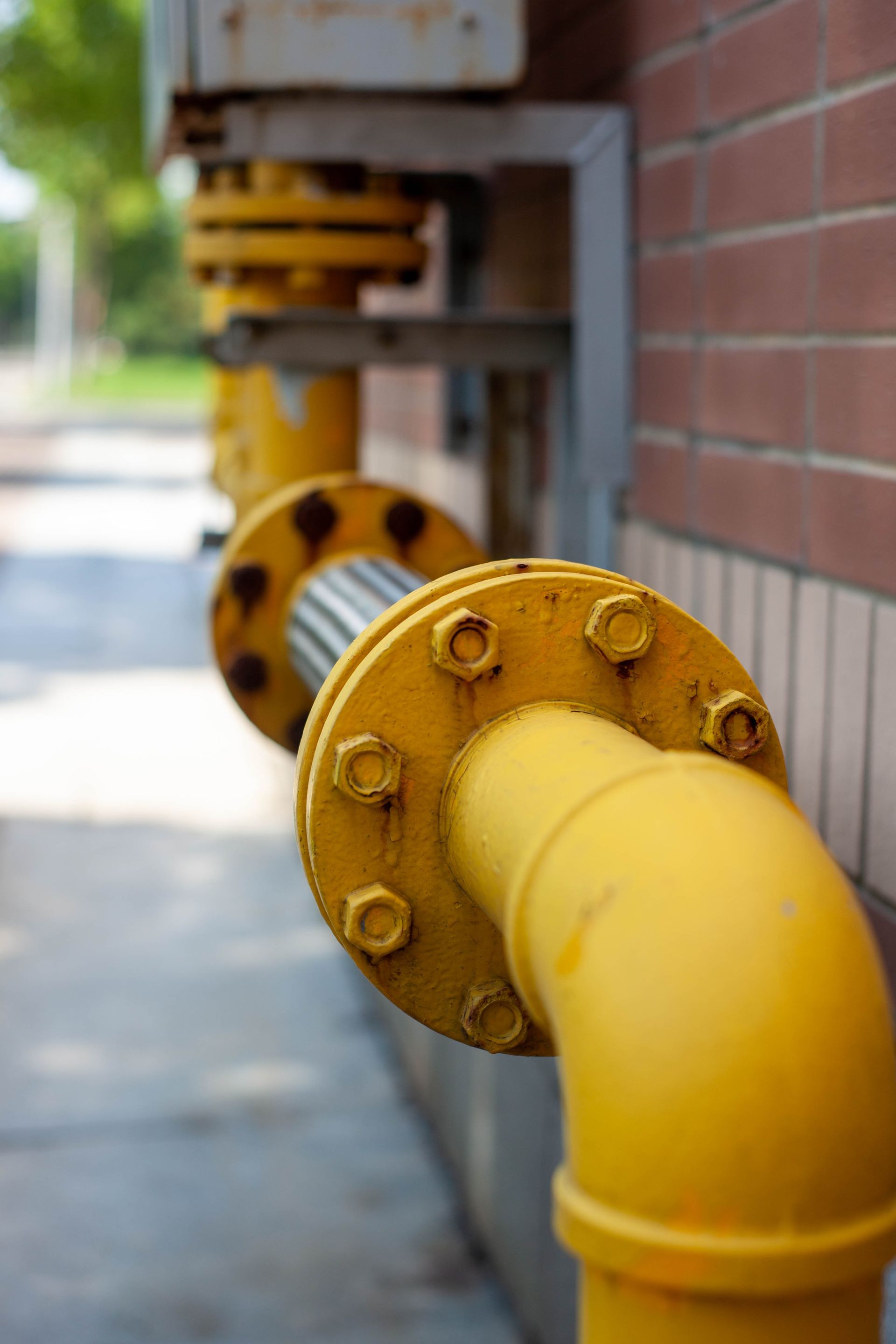
Outdoor plumbing is exposed directly to changing weather conditions.
Cold temperatures combined with rain and moisture can cause:
- Pipe deterioration
- Joint weakening
- Corrosion over time
This is especially common in older homes with ageing plumbing systems.
Prevention Tips
- Inspect outdoor taps regularly
- Repair dripping taps immediately
- Insulate exposed pipework where possible
- Disconnect unused garden hoses during winter
3. Heavy Rain Puts Pressure on Drainage Systems
Winter rain can overwhelm drains and stormwater systems quickly.
When drains become overloaded:
- Water backs up
- Outdoor flooding occurs
- Pipes struggle to drain properly
Signs of drainage stress include:
- Gurgling drains
- Slow water flow
- Overflowing outdoor drains
- Bad smells near drains
What You Can Do
- Clear leaves from gutters regularly
- Remove debris from outdoor drains
- Schedule drain cleaning if water flow slows down
- Address blockages early before heavy rainfall worsens them
4. Hot Water Pipes Work Harder in Winter
Your plumbing system works harder during colder months because households naturally use more hot water.
This extra demand places stress on:
- Hot water pipes
- Connections
- Hot water systems themselves
Older systems may struggle to keep up, especially if maintenance has been delayed.
Signs of Trouble
- Inconsistent water temperature
- Reduced hot water pressure
- Strange noises from pipes
- Hot water is running out quickly
Prevention Tips
- Service hot water systems annually
- Repair leaks early
- Replace ageing systems before winter breakdowns happen
5. Existing Pipe Damage Gets Worse Faster
One of the biggest winter plumbing problems is that cold weather often exposes damage that already existed.
Small issues homeowners ignore during warmer months can suddenly become obvious when:
- Pipe pressure changes
- Rainfall increases
- Plumbing systems work harder
Example:
- Before: Minor slow drain ignored
- After: Full blockage and pipe overflow during winter storm
This is why preventative maintenance is so important before and during winter.
Step-by-Step Winter Plumbing Checklist
Here are a few simple things homeowners can do immediately:
Inside the Home
- Check under sinks for leaks
- Monitor water pressure
- Watch for damp patches or mould
- Listen for unusual pipe noises
Outside the Home
- Clear gutters and drains
- Inspect outdoor taps
- Look for pooling water near pipes
Ongoing Maintenance
- Service hot water systems
- Fix dripping taps
- Book preventative plumbing inspections
Why Early Action Saves Money
Most major plumbing emergencies start as small, manageable issues.
Example:
- Small pipe leak repaired early: a few hundred dollars
- Water damage from an ignored leak: thousands in repairs
The earlier problems are identified, the easier and cheaper they usually are to fix.
Why Professional Plumbing Inspections Matter
Some winter plumbing problems aren’t visible until serious damage has already started.
Professional plumbers can:
- Detect hidden leaks
- Check pipe condition
- Inspect drainage systems
- Identify weak points before they fail
This helps homeowners avoid emergency repairs during winter.
Cold weather can place more pressure on your plumbing system than many homeowners realise.
Even small leaks, drainage issues, or ageing pipes can quickly worsen during winter if they’re ignored.
The best approach is simple:
- Stay proactive
- Watch for warning signs
- Fix small problems early
- Schedule preventative maintenance when needed
A little attention now can save you from major plumbing repairs later.
FAQs
1. Can cold weather damage pipes in Australia?
Yes. Even in Australia’s milder climate, cold temperatures and winter rain can worsen leaks, pipe cracks, and drainage problems.
2. What are the signs of winter pipe problems?
Common signs include damp walls, reduced water pressure, slow drains, strange noises, and water stains.
3. How do I protect my pipes during winter?
Regular maintenance, fixing leaks early, clearing drains, and insulating exposed pipes can help protect your plumbing system.
4. Should I get my plumbing inspected before winter?
Yes. Preventative inspections help identify hidden issues before colder weather causes bigger plumbing problems.