Signs Your Septic System Needs Replacement or Repairs
How to spot septic system failure early and avoid costly emergency repairs.
If you live in a rural or semi-rural area across the Gold Coast or Northern NSW, your septic system plays a vital role in managing household wastewater. When it’s working properly, you barely notice it. But when something goes wrong, the signs can escalate quickly.
The key is catching problems early before they turn into expensive repairs or a full system replacement.
Here’s how to recognise the warning signs your septic system may need attention, when to act, and how professional support can prevent a minor issue from becoming a major emergency.
How a Septic System Works (In Simple Terms)
A typical septic system separates solids from wastewater inside a tank. Bacteria break down organic matter, while liquid effluent flows into an absorption trench or drainage field, where it’s naturally filtered into the soil.
When any part of this process is disrupted, whether by overloading, age, or physical damage, problems begin to show.
1. Persistent Unpleasant Odours
One of the earliest warning signs is smell.
If you notice strong sewage odours:
- Around your yard
- Near the tank location
- Inside the home
- Around drains or toilets
It could mean the tank is full, a pipe is damaged, or wastewater isn’t flowing correctly into the drainage area.
A healthy septic system should operate without noticeable odours. Persistent smells are your cue to act promptly.
2. Slow Drains Throughout the House
A single slow sink might just be a local blockage. But if multiple drains, including toilets, showers, and sinks, are draining slowly, the issue may lie within the septic system itself.
Sluggish drainage often indicates:
- A full tank
- A blockage in the outlet pipe
- A failing drainage field
If left untreated, slow drains can quickly escalate into backflow.
3. Sewage Backing Up Indoors
This is one of the most serious warning signs.
If wastewater backs up into your home through toilets or floor drains, it means the system is no longer coping with demand.
Backflow can result from:
- An overfilled tank
- A collapsed pipe
- A saturated or failed absorption trench
At this stage, immediate professional attention is essential to prevent property damage and health risks.
4. Pooling Water or Soggy Ground
Take a walk around your yard, particularly near the septic tank and drainage area.
Signs of trouble include:
- Unexplained wet patches
- Pooling water
- Grass that’s unusually lush or bright green
- Spongy soil underfoot
While healthy grass is nice, excessive growth above the drain field often indicates wastewater rising to the surface instead of being properly absorbed.
5. Unusual Landscape Changes
Changes in your yard can reveal underground issues.
Watch for:
- Soil subsidence (sunken patches)
- Cracks in the ground
- Erosion near tank areas
These changes may suggest structural failure in the tank or pipes beneath the surface.
6. Frequent Pump-Outs Required
Most septic tanks require pumping every 3–5 years, depending on household size and usage.
If you find yourself scheduling pump-outs more frequently than recommended, it could indicate:
- Tank damage
- Poor bacterial activity
- Drainage field failure
Recurring maintenance issues may mean it’s time to assess whether repairs or replacement are more cost-effective.
7. Age of the System
Septic systems don’t last forever.
On average, a properly maintained system can last 20–30 years. However, older systems may not meet current environmental standards.
If your system is ageing and problems are becoming more frequent, it may be worth discussing septic tank installation cost comparisons with a professional to determine whether replacement is the smarter long-term investment.
When to Repair vs. Replace
Not every issue requires a full system replacement.
Repairs May Be Suitable If:
- There’s a minor pipe blockage
- A baffle or filter needs replacing
- The tank simply requires pumping
- A small section of the pipe has cracked
Replacement May Be Necessary If:
- The drainage field has failed
- The tank structure is damaged
- There’s ongoing groundwater contamination
- The system is undersized for your household
An experienced technician can assess the condition of your system and advise on the most practical solution.
Why Acting Early Saves Money
It’s natural to delay repairs when the system still seems “mostly fine”. But septic problems rarely fix themselves.
Ignoring early signs can lead to:
- Major yard excavation
- Structural damage
- Environmental fines
- Health hazards
- Higher overall septic tank installation cost if replacement becomes urgent
Addressing issues early keeps repair costs manageable and avoids emergency situations.
How Zen Can Help Before It Becomes an Emergency
Professional septic specialists use modern tools to diagnose problems accurately without unnecessary digging.
This may include:
- Camera inspections
- Flow testing
- Soil absorption assessment
- Structural tank checks
By identifying the root cause, repairs can be targeted and efficient.
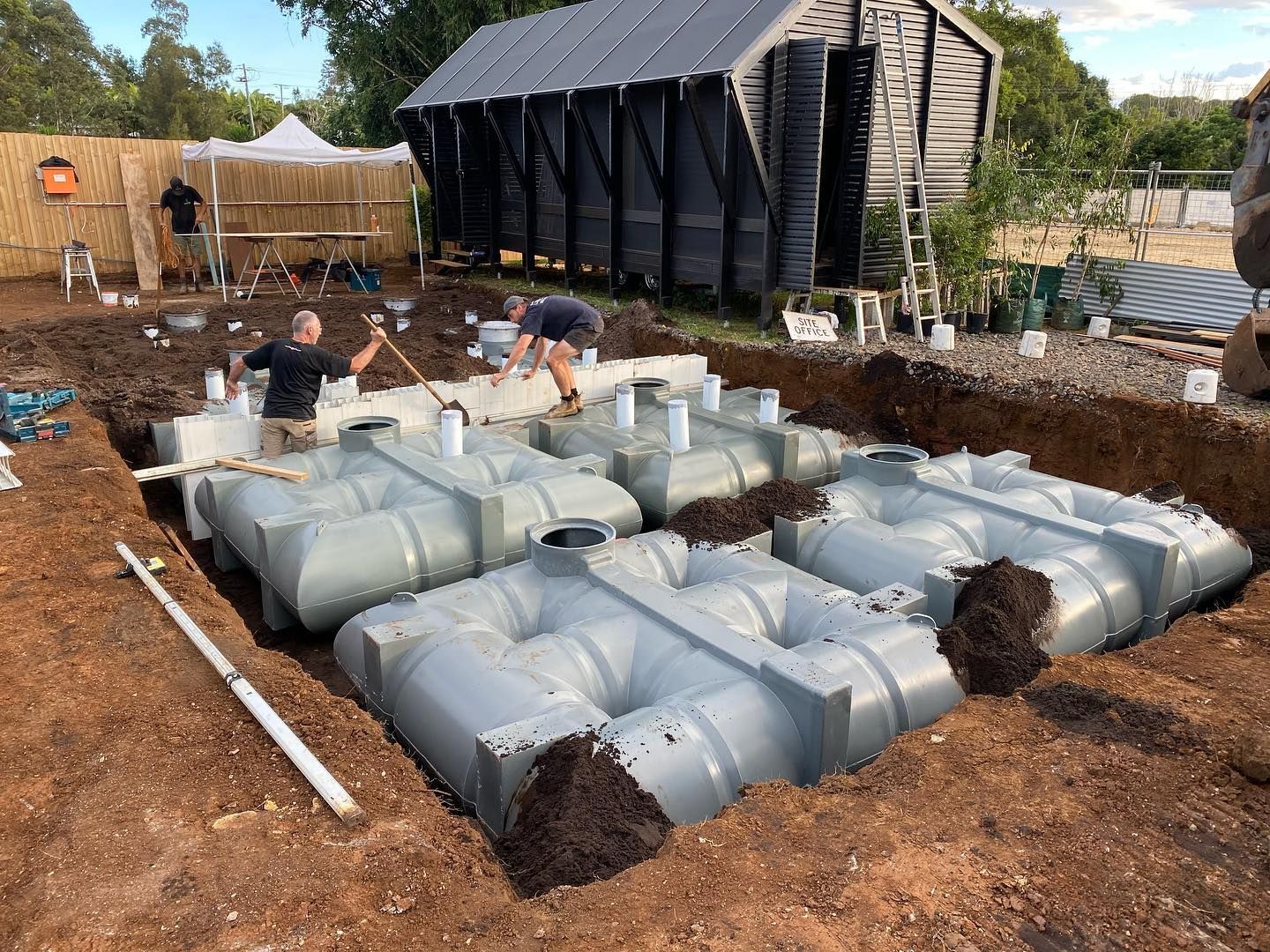
If replacement is required, working with experienced septic system installers near me ensures compliance with local regulations and environmental standards.
Local expertise is particularly important in regions like the Gold Coast and Northern NSW, where soil types and rainfall patterns can influence system design.
Preventative Maintenance Tips
To extend the life of your septic system:
- Schedule regular pump-outs
- Avoid flushing wipes, nappies, or sanitary products
- Limit harsh chemical cleaners
- Spread out laundry loads
- Avoid parking vehicles over the drain field
- Monitor water usage
Simple habits can dramatically reduce strain on the system.
Your septic system works quietly in the background until something goes wrong.
Persistent odours, slow drains, backflow, or landscape changes are all signals that shouldn’t be ignored. Acting early can prevent costly repairs and protect both your home and the environment.
If you’re noticing warning signs or are concerned about ageing infrastructure, speaking with experienced professionals can help you determine the next steps, whether that’s repair, maintenance, or discussing septic tank installation cost for a new system.
Taking action before it becomes an emergency is always the smarter choice.