Is a Solar Hot Water System Worth the Investment in 2026?
Understanding installation costs, rebates, and real-world savings before you upgrade.
With electricity prices continuing to rise across Australia, many homeowners are searching for smarter, more sustainable ways to cut household costs. One option gaining even more attention in 2026 is installing a solar hot water system.
But is it really worth the upfront investment?
If you live on the Gold Coast or in Northern NSW, where sunshine is abundant most of the year, the answer may very well be yes. Let’s break down system costs, available rebates, long-term savings, and why a solar water heater makes strong financial sense in our local climate.
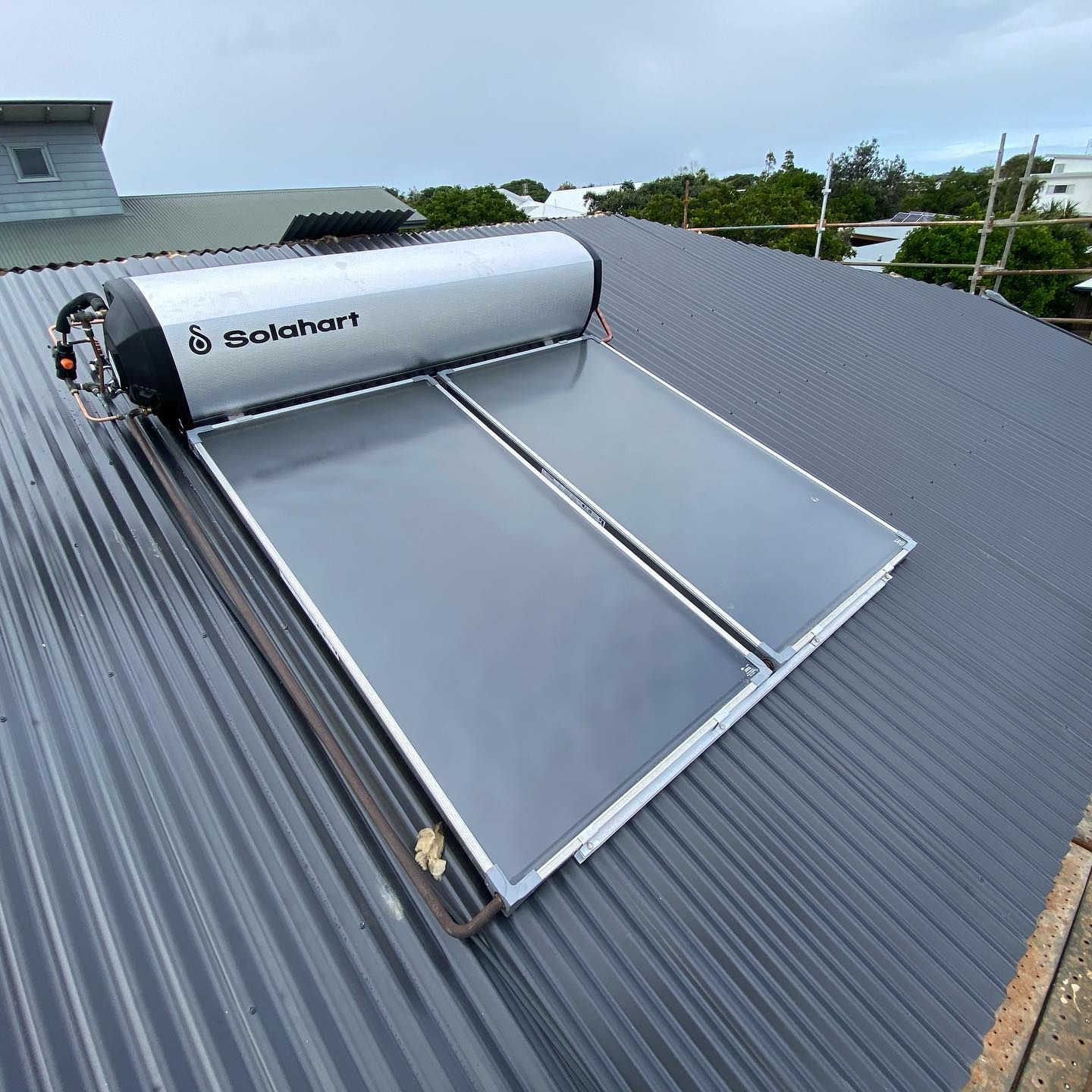
How Does a Solar Hot Water System Work?
A solar hot water system uses roof-mounted collectors to absorb energy from the sun. That energy heats water, which is then stored in an insulated tank ready for use throughout your home.
Most systems are either:
- Close-coupled systems, where the tank sits on the roof with the collectors, or
- Split systems, where the tank is on the ground, and solar panels sit on the roof
During cloudy weather or high-demand periods, a booster (electric or gas) ensures you still have consistent hot water.
Considering that hot water accounts for roughly 20–30% of household energy use in Australia, switching to solar can significantly reduce ongoing energy consumption.
What Is the Solar Hot Water Price in 2026?
The upfront cost of a solar hot water system varies depending on system size, brand, and installation complexity.
In 2026, typical installed costs across the Gold Coast and Northern NSW range from:
- $3,000 to $7,500 for a standard residential system
The final solar hot water price depends on:
- Household size and hot water usage
- Roof type and accessibility
- Type of booster system
- Quality and efficiency rating of the unit
While this is higher than replacing a standard electric unit, the long-term savings can offset the initial outlay.
What Rebates Are Available in 2026?
One of the biggest advantages of installing a solar water heater in 2026 is continued access to government incentives.
Small-scale Technology Certificates (STCs)
Under the federal Small-scale Renewable Energy Scheme, eligible systems receive STCs. These certificates reduce the upfront purchase price and can significantly lower installation costs.
The number of STCs you receive depends on:
- Your system size
- Your geographic location
- The current market value of certificates
Because the Gold Coast and Northern NSW enjoy high solar exposure, households in these areas often benefit from strong STC allocations.
State-Based Incentives
Occasionally, Queensland and NSW introduce additional energy-efficiency rebates or sustainability incentives. A licensed local installer can advise on what’s currently available and help you access eligible discounts.
Long-Term Savings: What Can You Expect?
Many households installing a solar hot water system in 2026 can expect energy bill reductions of:
- $300 to $700 per year, depending on usage
Over a system lifespan of 10–15 years, this can amount to several thousand dollars in savings.
With electricity prices predicted to remain volatile, solar hot water also protects you from future price increases.
For many homeowners, the system pays for itself within approximately 5–8 years.
Why It’s Ideal for the Gold Coast & Northern NSW Climate
Climate makes a big difference in how effective a solar hot water system will be.
The Gold Coast and Northern NSW regions benefit from:
- High annual sunshine hours
- Mild winters
- Strong and consistent solar radiation
This means solar collectors operate efficiently for most of the year, reducing reliance on electric or gas boosting.
Compared to southern states with colder, cloudier winters, our local climate makes solar hot water a particularly smart investment.
In short, we live in one of the best regions in Australia for solar performance.
Environmental Benefits
Beyond financial savings, installing a solar water heater reduces your household’s carbon footprint.
By relying on renewable energy rather than grid electricity, you:
- Lower greenhouse gas emissions
- Reduce dependence on fossil fuels
- Improve your home’s sustainability profile
For environmentally conscious households, solar hot water is one of the simplest ways to make a meaningful impact.
Are There Any Downsides?
While solar hot water offers significant advantages, there are considerations to weigh up:
- Higher upfront cost compared to standard electric systems
- Roof space requirements
- Visual impact of roof-mounted collectors
- Periodic maintenance needs
However, modern systems are designed for Australian conditions and built to last. With professional installation and routine servicing, they can operate reliably for many years.
Maintenance & System Lifespan
A quality solar hot water system typically lasts between 10 and 15 years, sometimes longer with proper care.
Routine servicing may include:
- Inspecting valves and fittings
- Checking solar collectors
- Testing booster systems
- Flushing sediment from the tank
Maintenance requirements are generally minimal compared to the long-term savings.
Is It Worth the Investment in 2026?
For homeowners across the Gold Coast and Northern NSW, the financial and environmental case remains strong.
With:
- Ongoing STC rebates
- High solar exposure
- Rising electricity costs
- Long-term energy savings
A solar hot water system continues to be a smart upgrade in 2026.
If your current hot water system is ageing or inefficient, upgrading to solar may provide better value than replacing it with another electric model.
When Is the Best Time to Install?
The ideal time to install solar hot water is:
- When your existing system is nearing the end of its lifespan
- During home renovations
- Before peak summer demand
- While rebate programs are active
Planning allows you to secure the best solar hot water price and avoid emergency replacements.
So, is a solar hot water system worth the investment in 2026?
For homes in sunny regions like the Gold Coast and Northern NSW, the answer is often yes. The combination of rebates, long-term bill savings, and strong local climate conditions makes it a practical and forward-thinking choice.
While the upfront investment may seem significant, the long-term financial and environmental benefits can make solar hot water one of the smartest home improvements you invest in this year.