Why Your Sink Keeps Draining Slowly (And How to Fix It)
Why Your Sink Keeps Draining Slowly (And How to Fix It)
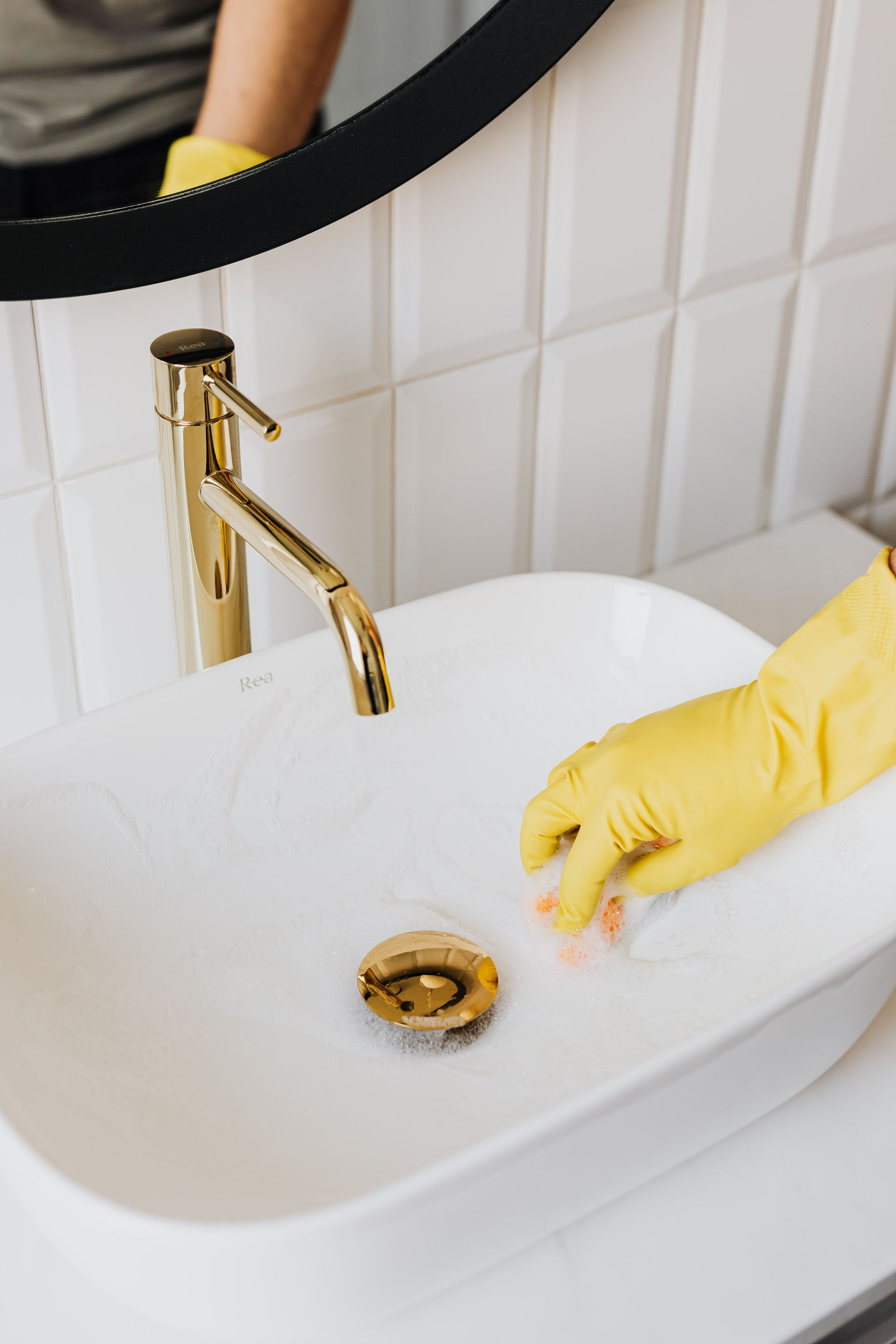
A slow-draining sink might not seem like a big deal at first.
You notice the water taking a little longer to disappear, maybe hear an odd gurgling sound, and figure it can wait.
But here’s the thing: slow drains rarely fix themselves.
What starts as a small annoyance can quickly turn into a completely blocked sink, unpleasant smells, or even bigger plumbing problems hiding deeper in your pipes.
The good news? Many slow-draining sinks have simple causes, and some can even be fixed before they become expensive repairs.
In this guide, we’ll walk through the most common reasons your sink keeps draining slowly, what you can try yourself, and when it’s time to call in an expert.
Why Is My Sink Draining Slowly?
A slow sink usually means something is partially blocking water flow.
The blockage may be:
- Close to the drain opening
- Inside the pipework
- Further down the plumbing system
The key is identifying the cause before it gets worse.
1. Hair and Soap Build-Up (Bathroom Sinks)
Bathroom sinks are one of the biggest offenders for slow drainage.
Over time:
- Hair builds up inside pipes
- Soap residue sticks to pipe walls
- Toothpaste and grooming products add to the blockage
Eventually, water struggles to pass through properly.
Signs
- Water pools around the sink basin
- Slow drainage gets worse over time
- Gurgling sounds appear
What You Can Try
Remove and clean the drain stopper if possible.
You can also:
- Flush with hot water
- Use baking soda and vinegar
- Carefully clear visible debris
Avoid harsh chemical cleaners, as they can damage older pipes.
2. Grease and Food Waste (Kitchen Sinks)
Kitchen sinks deal with much heavier waste than bathroom drains.
Even if grease looks harmless when warm, it cools and hardens inside pipes.
Common culprits:
- Cooking oil
- Coffee grounds
- Food scraps
- Fat and grease
Example:
Good habit: Wipe greasy pans before washing
Bad habit: Pour cooking oil straight down the sink
Over time, grease traps debris and forms stubborn blockages.
What You Can Try
- Flush with boiling water carefully
- Use dishwashing liquid with hot water
- Avoid putting oils down the drain
3. Blocked Sink Trap
The sink trap (the curved pipe underneath your sink) catches debris before it enters the main plumbing system.
Sometimes:
- Food collects
- Hair clumps form
- Soap residue builds up
Signs
- Slow drainage
- Bad smells from the sink
- Frequent minor blockages
DIY Fix
If you're comfortable:
- Place a bucket underneath
- Carefully unscrew the trap
- Remove debris and rinse thoroughly
- Reattach securely
If unsure, it’s best to call a plumber to avoid leaks.
4. Mineral Build-Up in Pipes
In some Australian areas, minerals naturally build up inside plumbing.
Over time, this narrows the inside of pipes and slows water flow.
Signs include:
- Ongoing slow drainage
- Reduced water flow
- White residue around taps
This is more common in older homes.
5. Bigger Plumbing Problems Further Down the Line
Sometimes the problem isn’t your sink at all.
Slow drainage may signal:
- Deeper pipe blockages
- Tree root intrusion
- Sewer line problems
- Drainage system issues
Warning signs include:
- Multiple drains slowing at once
- Gurgling toilets
- Bad smells throughout the house
If more than one drain is affected, it’s usually time for professional help.
Step-by-Step: What To Try First
Before calling a plumber, try these simple steps:
Step 1: Boiling Water Flush
Slowly pour hot water down the drain to loosen grease or soap build-up.
Step 2: Baking Soda and Vinegar
Pour baking soda followed by vinegar and leave for 15–20 minutes before rinsing.
Step 3: Check the Drain Stopper
Hair and debris often collect here.
Step 4: Use a Plunger
A few gentle plunges may shift minor blockages.
Step 5: Watch for Bigger Signs
If smells, noises, or multiple drains appear affected, stop DIY and call a professional.
What NOT To Do
Avoid:
- Pouring harsh chemicals repeatedly
- Ignoring slow drainage
- Forcing sharp objects down pipes
- Waiting until the sink fully blocks
Small problems are almost always cheaper to fix early.
When Should You Call a Plumber?
Call a professional if:
- Water barely drains
- Multiple drains are affected
- DIY fixes don’t work
- Bad smells continue
- Water backs up regularly
Professional plumbers can inspect deeper pipework and identify hidden problems before they worsen.
Why Early Action Matters
Example:
Before:
Slow kitchen sink ignored for months
After:
Full blockage, pipe cleaning, and emergency plumbing call-out
Compared to:
Before:
Minor blockage cleared early
After:
Quick repair and no expensive plumbing bill. Acting early saves time, money, and stress.
Expert Tip: Prevention Is Easier Than Repairs
Simple habits make a big difference:
✔ Use sink strainers
✔ Avoid grease down drains
✔ Clean drain stoppers regularly
✔ Flush drains with hot water occasionally
✔ Address slow drainage early
Small maintenance habits help avoid major plumbing headaches later.
A slow-draining sink might seem minor, but it’s often your plumbing system’s way of warning you something isn’t right.
The good news is many small blockages are easy to manage early — if you act before they turn into bigger problems.
And when DIY fixes stop working, getting professional advice sooner can help prevent expensive repairs later on.
Not sure why your sink keeps draining slowly? Don’t wait until a small blockage turns into a bigger plumbing problem. Whether it’s a stubborn blocked drain or something deeper in your pipes, our experienced team is here to help.
Contact Zen Plumbing for reliable advice, fast solutions, and plumbing support you can genuinely count on.
FAQs
1. Why is my sink draining slowly but not blocked?
A partial blockage from grease, soap, hair, or food debris may be slowing water flow without fully blocking the pipe.
2. Can a slow drain fix itself?
Usually not. Slow drains tend to worsen over time and can become full blockages if ignored.
3. Is baking soda and vinegar safe for drains?
Yes, it’s generally safer than harsh chemical cleaners for minor blockages.
4. When should I call a plumber for a slow drain?
If DIY methods don’t work, multiple drains are affected, or bad smells continue, it’s time to call a professional.